


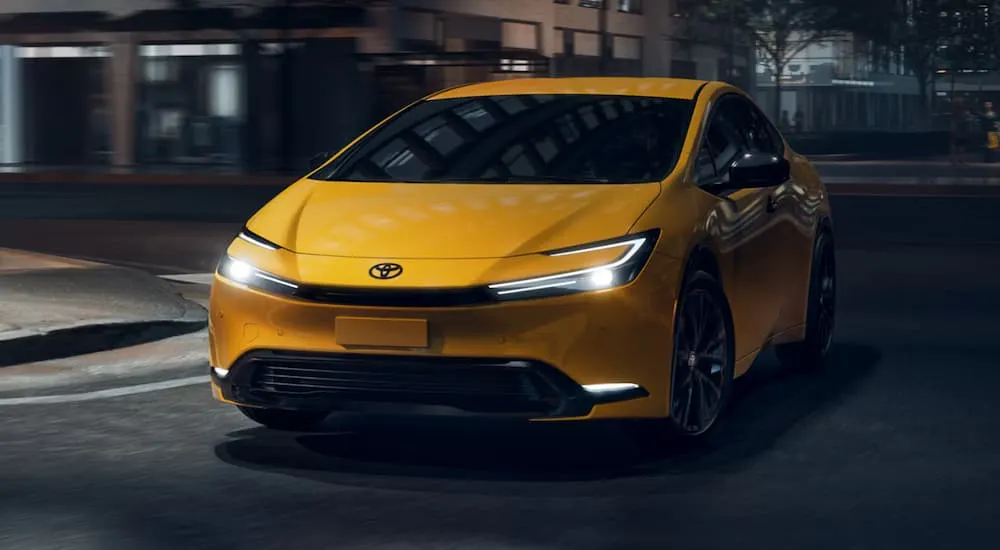
Why the 2026 Toyota Prius Still Leads the Hybrid Revolution
Few vehicles have shaped the modern automotive landscape quite like the Toyota Prius. When it first arrived, the Prius helped introduce the idea that a car could dramatically reduce fuel consumption without sacrificing everyday usability. Early results were promising, and over time, it became synonymous with hybrid technology, setting a standard that other automakers have spent years trying to match.
The 2026 Toyota Prius continues that legacy while refining what made the model so appealing in the first place. It remains a smart choice for those who want a vehicle that balances environmental responsibility with real-world practicality. Efficient, dependable, and easy to live with, the Prius appeals to commuters, eco-conscious drivers, and anyone looking to lower fuel costs without leaping to a fully electric vehicle.
Drivers searching for a Toyota Prius for sale today are often comparing it to other hybrid options, such as the Honda Civic Hybrid or Hyundai Elantra Hybrid. While those models certainly have their merits, the Prius still stands out because of its long track record and the maturity of its hybrid system. It’s a vehicle designed around efficiency from the ground up, and that philosophy still guides the Prius today. To understand why the Prius continues to attract loyal drivers year after year, it helps to take a closer look at what makes the latest model so appealing.
The Hybrid System That Made Prius Famous
At the heart of the Prius experience is Toyota’s hybrid technology, which has been refined and improved over decades of real-world use. The system pairs a gasoline engine with electric motors, enabling the vehicle to seamlessly switch between power sources based on driving conditions. While this was a foreign concept to most people when the Prius debuted in Japan in 1997, millions of drivers have come around to the idea and have invested thousands of dollars and driven millions of miles over the past few decades.
During low-speed driving or stop-and-go traffic, the Prius can rely heavily on electric power. When additional acceleration is needed, the gasoline engine works alongside the electric motor to provide smooth, efficient performance. The transition between these power sources happens automatically, so you don’t even need to pay it any mind.
Another key component of the system is regenerative braking. This system captures energy that would normally be lost during braking and uses it to recharge the hybrid battery. Instead of wasting that energy as heat through the brakes, the Prius captures that kinetic energy and recycles it into electricity to power the vehicle later, extending its electric range.
The result is a driving experience that feels surprisingly natural while delivering impressive efficiency. Prius owners often appreciate how quietly and smoothly the vehicle operates, especially in city driving, where the electric motor handles much of the workload. What really sets the Prius apart, however, is the reliability of its hybrid system. Toyota has spent years refining this technology, and the result is one of the most trusted hybrid platforms on the road. Many Prius models have proven capable of exceeding typical mileage expectations, reinforcing the model’s reputation for long-term dependability.
Efficiency That Still Sets the Standard
Efficiency has always been the defining characteristic of the Prius, and the 2026 model continues that tradition. If you’re focused on reducing fuel costs and environmental impact, the Prius remains one of the most logical choices available. Hybrid systems work especially well in everyday driving scenarios like commuting, errands, and urban travel. Because the electric motor can take over at lower speeds, the Prius consumes significantly less fuel than many traditional gasoline vehicles. That efficiency translates into fewer stops at the gas station and lower operating costs over time. For many drivers, especially those with longer commutes, the savings add up quickly. Of course, we can’t discuss the Prius without mentioning how hybrid vehicles produce fewer emissions than conventional gas-powered cars, which appeals to drivers looking to reduce their environmental footprint. The Prius offers a practical middle ground for buyers who want to drive more responsibly without completely changing their routine, relearning the fundamentals of driving with a pure EV, or who don’t have access to home charging.
While competitors such as the Honda Civic Hybrid and Hyundai Elantra Hybrid have entered the market with impressive efficiency figures, the tried-and-true Prius continues to stand out for its proven approach. Toyota has spent years perfecting its hybrid systems, and that experience shows in the vehicle’s smooth performance and consistent efficiency.
The 2026 Prius comes standard with a 2.0L I-4 engine paired with a battery and an electronic continuously variable automatic transmission. This combo outputs up to 196 hp and achieves impressive EPA-estimated ratings of 57 MPG in the city, 56 MPG on the highway, and 57 MPG combined. There’s also a Prius Plug-In Hybrid (PHEV) variant, which increases horsepower to 220. It also enables you to charge up the battery without driving the car, providing 44 miles of pure electric range. According to the Department of Energy, only 6.89% of trips are longer than 30 miles, meaning you can drive the Prius Plug-In Hybrid like a pure EV most of the time. When you do take longer trips, the gas engine turns on as it normally does, eliminating the need to find charging stations along the way.
Design and Practicality for Everyday Life
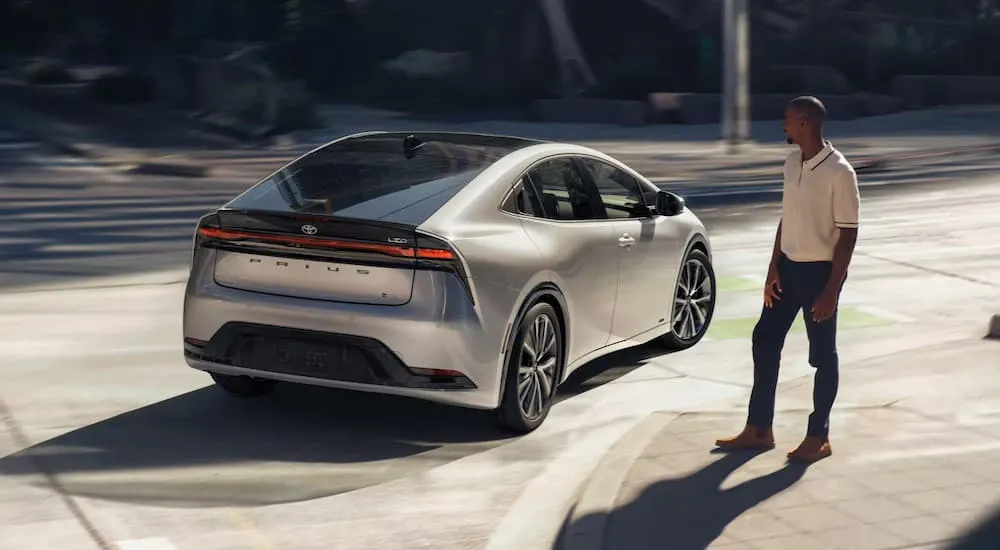
Earlier generations of the Prius were known for efficiency, but modern versions have also evolved in terms of design and driving appeal. The latest Prius models feature a sleeker, more athletic exterior that feels far more contemporary than earlier designs many people remember. Its compact footprint makes it particularly well-suited for city environments. If you navigate tight parking areas or busy streets often, you’ll appreciate how easy the Prius is to maneuver compared to larger vehicles.
Inside the cabin, the Prius focuses on practical comfort. The seating layout is designed to accommodate passengers comfortably, while the hatchback design makes loading cargo easy for everyday tasks. This hatchback configuration is one of the Prius’ most underrated advantages. Unlike a traditional sedan trunk, the rear cargo area provides a larger opening and more usable storage space. For drivers who frequently carry equipment, travel bags, or outdoor gear, that extra flexibility can make a noticeable difference. Groceries, luggage, and weekend gear all fit more easily thanks to the 23.8 cu.ft. of flexible cargo space behind the rear seats.
Overall, the Prius blends efficiency with everyday usability in a way few vehicles can match. It’s easy to drive, easy to park, and versatile enough to handle the demands of daily life.
Technology and Safety That Support Daily Driving
Modern drivers expect more than just efficiency from their vehicles, and the Prius delivers with a strong set of technology and safety features. Toyota’s infotainment system provides a central hub for connectivity and media control, helping you stay connected while on the road. An eight-inch infotainment center comes standard on the more affordable trims, while premium models feature a larger 12.3-inch screen. Best of all, wireless Apple CarPlay and Android Auto are standard with both infotainment centers, making it easy to access your personal navigation, music playlists, and communication tools through the vehicle’s robust interface.
Safety is another area where the Prius performs well, much like the rest of Toyota’s lineup. The 2026 Prius comes equipped with Toyota Safety Sense, a suite of driver-assistance technologies designed to help you stay aware of your surroundings. Toyota Safety Sense includes features such as a Pre-Collision System with Pedestrian Detection, Lane Departure Alert with steering assistance, Adaptive Cruise Control, and Lane Tracing Assist. Together, these technologies help support safer driving by monitoring road conditions and assisting you when necessary. For many Prius buyers, this technology provides additional peace of mind. Whether navigating daily traffic or heading out on longer drives, the 2026 Prius’ safety systems help reduce stress, improve your awareness, and have the potential to save lives in the most serious cases.
Why the Prius Still Makes Sense for Eco-Conscious Drivers
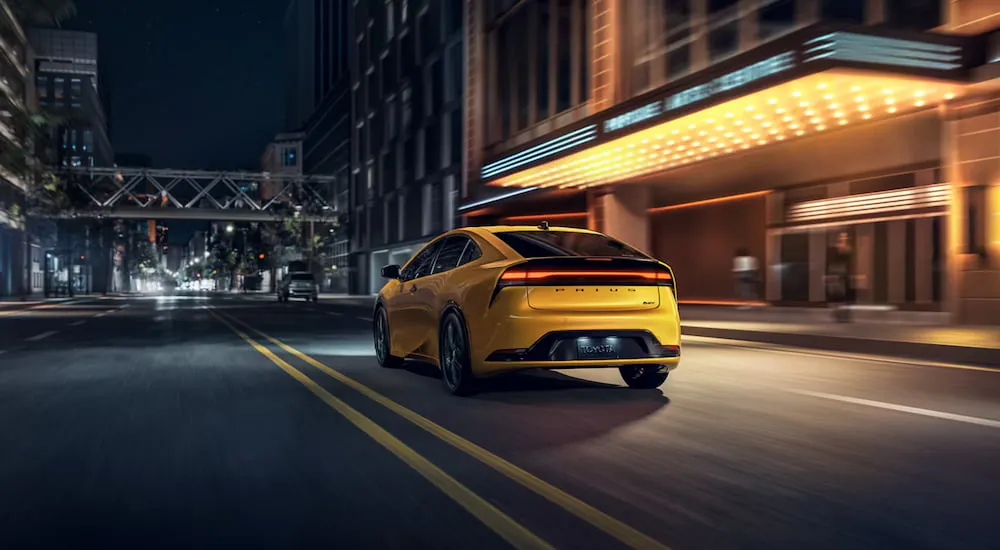
The Prius makes a lot of sense for drivers focused on efficiency and long-term reliability. It did years ago, and it continues to do so today. Its hybrid technology has been refined over many years, resulting in a system that delivers both impressive fuel economy and proven durability. The Prius also appeals to drivers who want to make more environmentally conscious decisions without drastically altering what they’re already familiar with. Unlike fully electric vehicles, hybrids don’t require charging stations or new routines. You simply fill up with fuel as usual while benefiting from the efficiency advantages of hybrid technology.
Low maintenance costs are another factor that attracts many buyers. Toyota’s reputation for reliability extends to the Prius, and the hybrid components have proven remarkably durable over time. For commuters, students, and environmentally aware drivers alike, the Prius offers a well-rounded package we can’t help but recommend to the masses. It’s efficient, dependable, and practical enough to support everyday life. The 2026 Toyota Prius continues to demonstrate why it has remained one of the most recognizable hybrid vehicles in the world. Its blend of efficiency, reliability, and practicality makes it a strong choice for drivers who want to lower fuel costs while reducing their environmental impact.
While new hybrid competitors continue to enter the market, the Prius remains one of the most trusted and well-established options available. Whether you’re commuting daily, running errands around town, or simply looking for a smarter way to drive, the Prius offers a thoughtful balance of efficiency and practicality that continues to resonate with drivers today. That’s why it still leads the hybrid revolution, even after all these years.